How often should you deep clean your teeth? What steps should you take to ensure that you’re getting the deepest clean possible, and are there any instances in which deep cleaning your teeth could be dangerous? Although dentists may debate over the proper answer to these questions, the general consensus seems to be that we should deep clean our teeth at least twice a year, if not more. Here’s what you need to know about teeth cleaning before and after doing so, so that you can make an informed decision about whether or not it’s right for you.
Deep Cleaning Teeth the Right Way
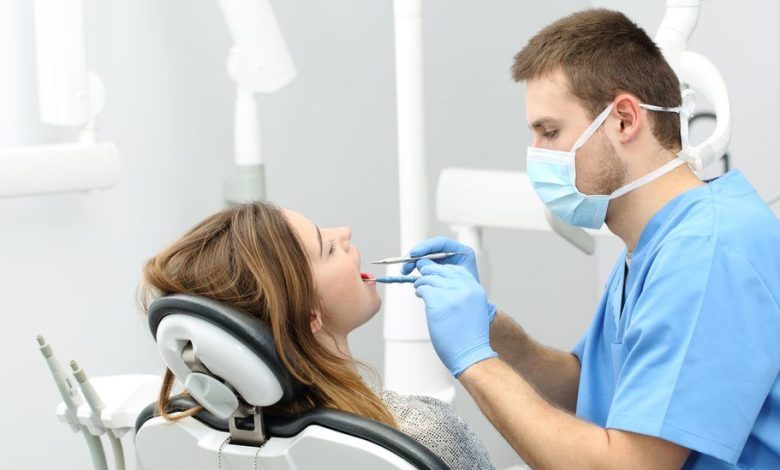
There are many different ways to deep clean your teeth, but there is no single right way. In fact, most dentists will tell you that deep cleaning one tooth at a time is just as effective as doing it en masse. Deep cleaning may be an unfamiliar term to many of us, so we’ll explain. For deep cleaning, a dentist or hygienist uses special instruments and techniques to get between your teeth and below your gum line.
This type of cleaning helps improve gum health by removing plaque from spots where it can accumulate, such as under gums and on root surfaces. deep cleaning teeth before and after also removes tartar buildup, which can cause gum disease if left untreated. It’s important to note that deep cleaning does not include polishing your teeth—that’s called scaling. Deep cleaning is also known as scaling and root planing, depending on what part of your mouth is being treated. Deep cleaning should not be confused with scaling or periodontal maintenance procedures, which help maintain healthy gums above the gum line (periodontal maintenance). Scaling and deep-cleaning treatments should only be performed by a licensed dental professional who has been trained in these specific procedures. If you have questions about deep-cleaning options for your teeth, schedule an appointment with our office today!
How Often Should I Deep Clean My Teeth?
Most people will brush their teeth twice a day. However, if you want to deep clean your teeth before any event or occasion—whether it’s a first date or an important business meeting—you may want to do so every night for about five days before. It might be uncomfortable in the beginning, but it’s certainly worth it. During those five days, pay special attention to areas around fillings and gum lines as these spots are more prone to buildup than others. If you’re running out of toothpaste mid-deep cleaning session, use baking soda mixed with some water instead; just avoid using peroxide because it can cause enamel erosion over time. Remember that deep cleaning your teeth after is equally important.
After eating sugary foods, acidic foods, or anything else that leaves behind residue on your teeth, always rinse thoroughly with warm water. This is especially true after drinking coffee! Coffee contains acids that leave behind calcium deposits on your teeth (which is why many people think they need to drink milk after drinking coffee). These deposits make brushing even harder and more difficult than usual—so don’t skip rinsing!
Benefits of Deep Cleaning
Deep cleaning your teeth improves your oral health in a number of ways. While you might think brushing and flossing are enough to keep your teeth healthy, deep cleaning removes particles that fall below your gum line and between teeth. Over time, plaque buildup can lead to tooth decay and even gingivitis. Deep cleaning cleans away that debris so your pearly whites can stay as white as possible!
Common Complaints about Deep Cleaning
The term deep cleaning is used quite frequently in dentistry. However, what does it really mean? Some people feel that deep cleaning simply entails a dental hygienist cleaning their teeth more thoroughly than normal. In reality, deep cleaning can be anything from scaling, root planing and fluoride treatments to professional cleanings. Whether you need deep cleaning or not depends on your situation and needs. According to Roaring Spring Dental Care, in order for a professional dental visit to be classified as deep cleaning, your mouth must meet one of three conditions
Deep clean vs. regular clean
Regularly cleaning your teeth is better than not cleaning them at all. But it’s also a good idea to give your teeth a deeper cleaning once or twice a year to get rid of built-up plaque and tartar, which can contribute to gum disease. If you want to deep clean your teeth, there are a few methods that dentists use. One is scaling, where your dentist scrapes away tartar and other materials from above and below the gum line using sharp instruments, usually with local anesthetic.